
Feeling Sleepy with Lover? The Surprising Science Behind It
Learn why feeling sleepy with lover is common—the hormones, nervous-system effects, and emotional safety that make cuddling and sex soporific—plus tips for better shared sleep.


There’s that cozy, intoxicating moment when you’re curled up with your partner and the world—along with your energy—simply melts away. You yawn, your eyes droop, and before you know it, you’re asleep in their arms. If you’ve ever wondered, why do I get so sleepy with my lover?—there’s science behind that softness.
From hormones released during touch and sex to the calming of your nervous system and the psychology of safety, several physiological and emotional processes combine to make sleeping with a partner feel so irresistible.
This in-depth article explains the biology and psychology behind feeling sleepy with a lover and offers practical tips to use this natural phenomenon to improve both your sleep and your relationship.

1. Hormones that nudge you toward sleep when you’re close to your partner
Oxytocin—the “bonding” hormone—helps you relax
Oxytocin is released during affectionate contact: holding hands, hugging, eye contact, and orgasm. It’s sometimes called the “love hormone” because it promotes social bonding, reduces stress, and can shift the body away from fight-or-flight into a more restful state.
Research suggests oxytocin affects sleep onset and sleep quality by calming arousal systems and encouraging parasympathetic (“rest-and-digest”) activity.

Prolactin and post-sex sleepiness
Many people notice deep sleep after sex—especially after orgasm. A big reason is prolactin, a hormone that rises after orgasm and is closely linked with sleep regulation.
Studies and science reporting show that prolactin increases following intercourse and is associated with a feeling of drowsiness and the tendency to fall asleep. This helps explain why sex often precedes restful sleep.
Serotonin and GABA—calming neurotransmitters
Sex, cuddling, and affectionate touch also increase serotonin and GABAergic activity in the brain, both of which promote relaxation and sleep readiness. These neurotransmitters dampen cortical arousal and help your mind move more easily into a sleep state.

2. Nervous-system physiology: touch, vagal tone and the parasympathetic switch
Physical closeness stimulates the parasympathetic nervous system through the vagus nerve—raising heart rate variability (a marker of relaxation and resilience) and lowering cortisol (the stress hormone).
Simple acts like hugging or skin-to-skin contact activate these pathways, making you physiologically calmer and more likely to feel sleepy. Studies on social connectedness and vagal activation point to this shared relaxation effect from face-to-face closeness and touch.

3. Emotional safety and attachment: why security equals sleepiness
Feeling safe with a partner reduces hypervigilance. In evolutionary terms, sleep requires trusting your environment; when you feel protected—emotionally and physically—your brain can switch off its watchfulness.
This is why people who feel secure with their partners (secure attachment styles) often fall asleep more easily when cuddling or co-sleeping, while those with anxious or avoidant attachment styles may still feel alert or restless.
Research on couples shows that bed-sharing and sleep concordance can improve subjective sleep quality—especially for people with lower attachment security—because the presence of a trusted partner provides emotional regulation and safety signals.

4. Co-sleeping and sleep synchrony: you fall asleep together—and sleep better together
Couples frequently display sleep synchrony: similar sleep–wake times, matched sleep stages, and aligned circadian rhythms. Studies comparing solitary sleepers to co-sleeping couples show some advantages for those sharing a bed—increased REM stability, longer REM periods, and sometimes fewer awakenings for one or both partners. Shared breathing patterns, warmth, and mutual comfort create an environment where both people can relax into deeper sleep.
That said, co-sleeping isn’t universally beneficial. If one partner snores loudly, has untreated apnea, or has very different sleep schedules, the expected benefits can be outweighed by disruption. In healthy relationships, though, co-sleeping often reinforces emotional closeness and sleep quality.

5. The effect of body temperature and social thermoregulation
Human bodies instinctively seek comfortable microclimates. When you cuddle, your partner’s body heat helps regulate your thermoregulatory set point—a signal that supports sleep onset (since a mild drop in core body temperature helps trigger sleep in the brain).
Animals and humans both practice social thermoregulation: huddling reduces metabolic cost and increases comfort, which supports drowsiness and sleep. This is why a warm embrace or spooning in bed feels soporific.
6. Post-coital somnolence vs. sleep disorders—know the difference
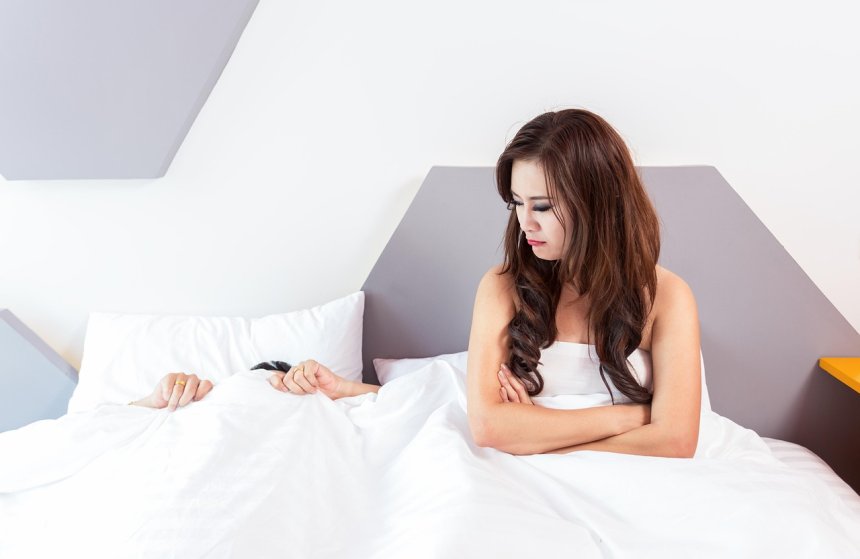
Post-coital sleepiness (drowsiness following sex) is common and typically harmless. However, if you or your partner regularly fall into deep, sudden sleep in unsafe settings (e.g., while driving) or experience persistent nonrestorative sleep, it’s worth evaluating for sleep disorders (sleep apnea, narcolepsy) or other medical issues.
Occasional sleepiness with a partner is normal; excessive daytime sleepiness unrelated to intimacy merits medical follow-up.

7. Psychological and social contributors: routine, comfort, and learned cues
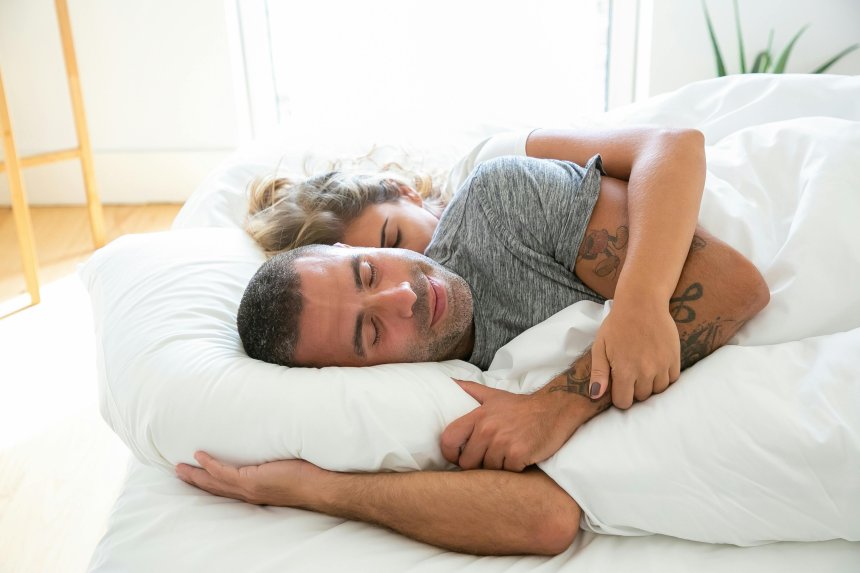
If When you regularly wind down with your partner by watching a movie, cuddling, and then sleeping, your brain starts to associate specific cues—such as dim lights, the scent of your partner, and the rhythm of shared breathing—with sleep.
These conditioned cues accelerate sleep readiness over time. ThThe ritual of winding down together—even without engaging in sex—can serve as a powerful trigger for sleep.
8. Gender differences and nuances: both partners feel it, but sometimes differently
Studies show sex differences in post-sex sleepiness can occur (e.g., different prolactin responses), but many of the bonding and sleep benefits apply to all genders. Individual physiology Hormone cycles, stress levels, and sleep debt all influence how sleepy a person feels when with their partner. how to turn feeling sleepy with your lover into better rest and connection
If you enjoy falling asleep with your partner or want to make the experience more comfortable and conducive to sleep, try these evidence-informed practices:
- Wind down routine together. Dim the lights, engage in gentle conversation, and incorporate light touch—these consistent cues encourage the brain to prepare for sleep.
- Time intimacy strategically. If post-sex sleepiness is desired, especially on weekends, plan for it; otherwise, if you want to stay awake afterward, consider taking a cool wash or engaging in a short activity.
- Optimize the sleep environment. A comfortable mattress, low noise, cool ambient temperature, and blackout shades reduce arousal and support shared sleep.
- If snoring or apnea disrupts sleep, treat it. Treating sleep disorders dramatically improves the sleep quality of both partners.
- Use affectionate touch for quick regulation. A A short hug or hand-holding before bed lowers stress and helps sleep onset.
- Respect differences. If one partner prefers to sleep early while the other enjoys late-night activities, then they should compromise by either cuddling until a certain time or following separate quiet routines.
- Watch caffeine and alcohol. Alcohol may help you fall asleep faster, but it degrades sleep quality; caffeine can reduce the sleepiness that intimacy typically brings.
10. When intimacy-related sleepiness becomes a relationship issue
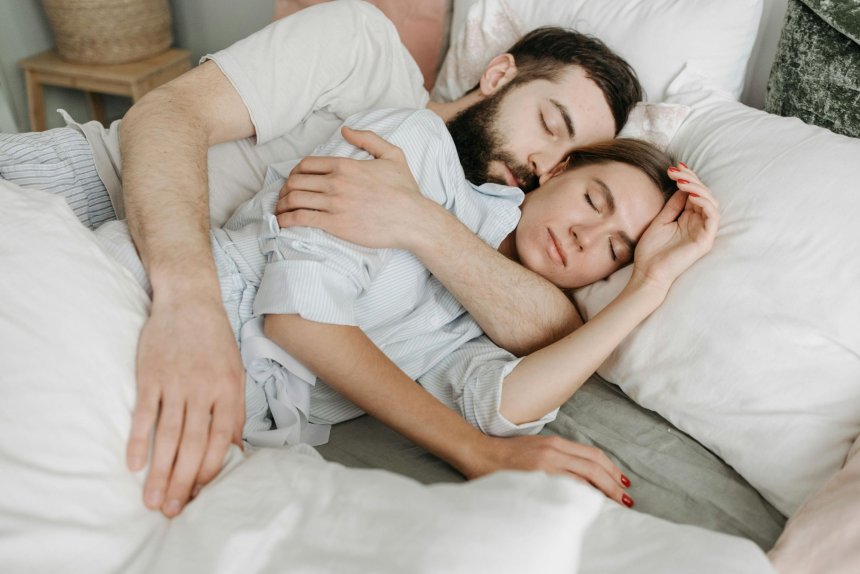
Feeling sleepy with your lover is usually a sign of comfort—but it can mask other problems. If one partner’s sleepiness is actually a form of avoidance, such as using sleep to escape conflict, or if falling asleep together prevents necessary conversations, then it is important to adjust your timing: schedule important discussions earlier in the evening and reserve bedtime for restorative closeness.
11. Bottom line: why feeling sleepy with lover is normal—and often healthy
Being ready to sleep when you’re with your partner is a neat intersection of biology and relationship psychology. Hormones (oxytocin, prolactin), parasympathetic activation via touch, emotional safety and attachment security, temperature regulation, and learned bedtime rituals all collaborate to make your partner’s presence a potent sleep cue. For many couples, moments of drowsy closeness carry both restorative value and emotional significance.

Conclusion
Feeling sleepy with your lover is a beautifully human phenomenon grounded in both physiology and emotion. The hormones released during touch and sex, such as oxytocin and prolactin, along with the calming shift into parasympathetic dominance, the emotional safety provided by secure attachment, and the simple warmth of another person, all contribute to helping you relax and fall asleep.
In healthy relationships, this sleepiness signals intimacy and rest; in less healthy contexts, it can be misused as avoidance. Understanding the science behind the snuggle helps you use these moments intentionally to rest well, strengthen your bond, and maintain a balance between emotional and physical health.
If you’re concerned about excessive sleepiness or sleep disruption related to co-sleeping or sexual activity, talk with a healthcare provider or a sleep specialist. Otherwise, enjoy the cuddle; your brain and body are functioning as they were designed to do.
Share
What's Your Reaction?
 Like
0
Like
0
 Dislike
0
Dislike
0
 Love
0
Love
0
 Funny
0
Funny
0
 Angry
0
Angry
0
 Sad
0
Sad
0
 Wow
0
Wow
0