
When Do Cheaters Realize They Made a Mistake? Cheating Decoded
Cheaters often realize their mistake too late, when guilt, loss, and emotional regret finally expose the true cost of infidelity.


Cheating leaves behind more than broken trust—it leaves emotional wreckage that can take years to heal. When someone betrays their partner, they not only destroy intimacy but also create confusion, pain, and self-doubt in the person they hurt. One of the most common questions after betrayal is: When do cheaters realize they made a mistake?
The truth is, realization doesn’t come at the same time for everyone. Some cheaters feel instant guilt, while others only regret their choices much later—after the damage is irreversible. Understanding the psychology behind when and why cheaters feel remorse can bring clarity, closure, and emotional strength for those trying to heal.
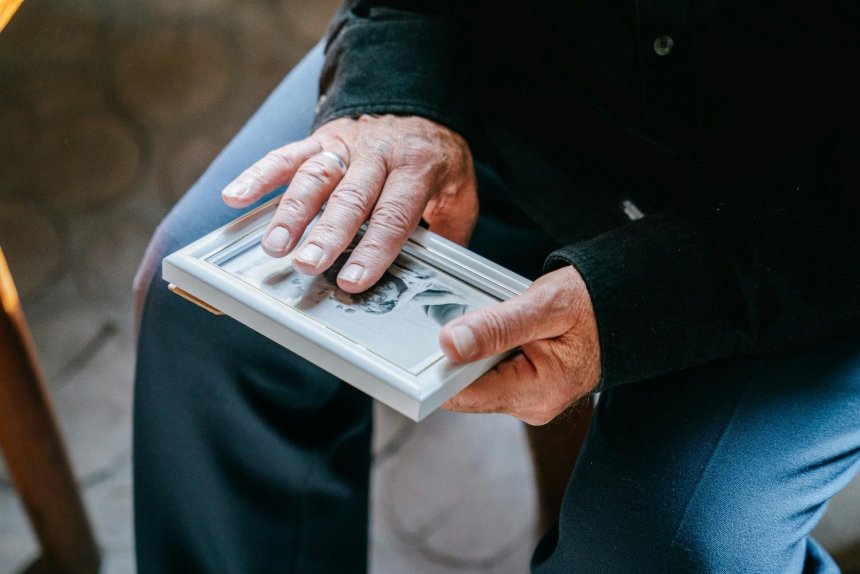
Why Do People Cheat? Understanding the Emotional Triggers
Cheating is rarely about simple attraction or boredom. It often stems from deeper emotional, psychological, or relational struggles. A lack of communication, unmet needs, or low self-worth can push someone toward infidelity, but these reasons never excuse the act.
Many cheaters are emotionally disconnected from themselves or their partner. They may crave validation or attention because of insecurity or unresolved trauma. Others act impulsively, drawn to the thrill of secrecy and the illusion of novelty. Some cheat out of resentment or revenge—trying to regain control or “get even” instead of communicating honestly.
Whatever the reason, cheating is a conscious decision—one that replaces vulnerability with deception and causes lasting emotional harm.
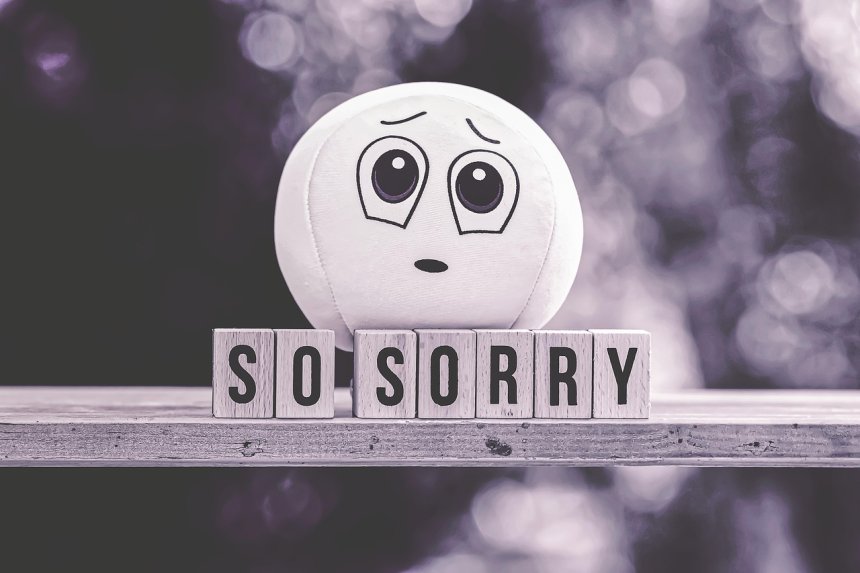
Do Cheaters Always Feel Regret?
Not every cheater feels guilty. Some experience deep remorse immediately, while others are indifferent until they face the consequences. Emotional maturity, empathy, and attachment level play major roles in whether regret surfaces.
Those who truly loved their partner or value emotional connection are more likely to feel guilt early. Others may only feel regret after losing their partner’s trust or comfort. Some, unfortunately, don’t feel remorse at all—especially if their emotional capacity for empathy is limited.
In essence, regret is not always a moral awakening. Some see it not as a reflection of love but as a response to loss.
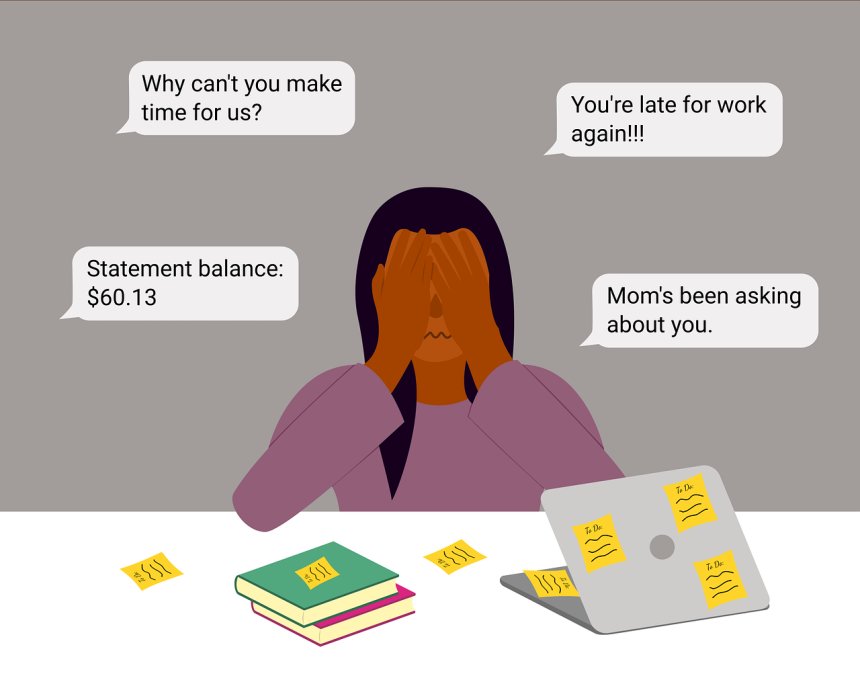
When Do Cheaters Realize They Made a Mistake? The Emotional Timeline
The moment of realization varies from person to person. For some, it happens quickly—for others, it takes months or even years.
Some cheaters experience guilt immediately after the act. When their moral compass and emotional conscience collide, they feel overwhelming shame and anxiety. Others only realize their mistake when the affair becomes known and the fallout begins. Seeing their partner’s pain or losing their relationship stability forces them to confront what they’ve done.
Many don’t recognize the depth of their mistake until their partner stops trying. When the betrayed partner detaches emotionally and begins to heal independently, the silence can be louder than any argument. It’s often then that the cheater realizes what they’ve lost.
For others, the wake-up call comes after the affair itself collapses. What once seemed exciting starts to feel empty, exposing the superficial nature of the connection. Without emotional substance, the cheater begins to see the affair for what it was—a fantasy built on deception.
Some realizations take even longer. Months or years later, as people mature emotionally or enter therapy, they start reflecting on past choices. Seeing their former partner thrive without them often deepens their remorse, turning regret into long-term guilt.

What Triggers a Cheater’s Regret
Regret often emerges when reality catches up with emotional loss. Seeing their partner cry, withdraw, or move on can hit harder than expected. The loneliness that follows losing someone’s trust often forces deep introspection.
Other triggers include watching their ex find happiness elsewhere, realizing that the affair partner doesn’t fulfill emotional needs, or undergoing personal growth through therapy. These experiences reveal the true cost of betrayal—the loss of genuine love, stability, and self-respect.

Signs a Cheater Truly Regrets Their Actions
While many cheaters say they’re sorry, true remorse is revealed through consistent actions, not empty promises. Here are the clearest signs that a cheater genuinely realizes their mistake:
- They apologize sincerely, without shifting blame or minimizing their actions.
- They take full responsibility for their behavior instead of making excuses.
- They practice transparency, allowing open communication and rebuilding trust step by step.
- They cut all contact with the affair partner—no hidden messages or secret attachments.
- They commit to long-term personal growth, not just temporary change.
- True remorse comes from accountability, not fear of consequences.

Can Cheaters Change for Good?
Change is possible—but only for those who are willing to face their flaws honestly. Lasting transformation requires emotional awareness, self-discipline, and a genuine desire to become trustworthy again. Therapy can play a crucial role in helping cheaters understand the root causes of their behavior and develop healthier coping mechanisms.
However, not everyone chooses that path. Those who deny responsibility or blame others often repeat the same mistakes. Real change demands humility, effort, and time—without those, the cycle continues.

How to Heal After Being Cheated On
If you’ve been betrayed, your healing should always take priority. Understanding why someone cheated can offer perspective, but your recovery depends on how you choose to move forward.
Allow yourself to grieve fully. Cry, get angry, and express your emotions—suppressing them only delays healing. Don’t blame yourself for their decision; infidelity reflects their lack of integrity, not your shortcomings. Surround yourself with supportive friends, family, or a therapist who can help you process your emotions in a healthy way.
Focus on self-care and rebuilding your confidence. Engage in activities that bring peace and purpose back into your life. As you regain strength, set clear boundaries for your emotional safety—whether that means taking time apart or permanently walking away.
Should You Take a Cheater Back?
Deciding whether to reconcile is a deeply personal choice. It depends on your emotional readiness and the cheater’s sincerity.
Before you decide, observe their actions. Are they truly remorseful, or just fearful of losing you? Are they making consistent efforts to rebuild trust? Do you still feel safe, valued, and respected in their presence?
Forgiveness can be healing, but it should never come at the cost of your dignity. You don’t owe a second chance to someone who hasn’t changed. Sometimes, the most powerful closure is moving forward—without them.

Conclusion
So, when do cheaters realize they made a mistake? It could be immediately, after losing you, or years later—but by then, the damage is often done. Their regret is not a reflection of your worth; it’s a reflection of their growth, or lack thereof.
Your focus should never be on waiting for their remorse—it should be on rebuilding your peace. You deserve love that affirms your value and trust that is consistently reliable. Healing takes time, but every step brings you closer to emotional freedom and self-respect.
Remember, regret may awaken them, but it doesn’t have to imprison you.
Share
What's Your Reaction?
 Like
0
Like
0
 Dislike
0
Dislike
0
 Love
0
Love
0
 Funny
0
Funny
0
 Angry
0
Angry
0
 Sad
0
Sad
0
 Wow
0
Wow
0