
How to Tell Someone You’re Not Interested: Honesty with Respect
Learn how to tell someone you’re not interested with empathy, honesty, and confidence. A complete guide to rejecting someone kindly without guilt or confusion.


It’s never easy to reject someone. Telling someone you’re not interested can feel uncomfortable and guilt-inducing, whether that person is someone you’ve been on a few dates with, someone you met online, or a friend who unexpectedly confesses their feelings. You don't mean to hurt their feelings, yet you also know that pretending or leading them on would be worse. The key lies in communicating with honesty, kindness, and confidence—balancing clarity with compassion.
Many people struggle with this moment because rejection carries emotional weight for both sides. Yet when handled correctly, it can become a moment of mutual respect and maturity rather than heartbreak. The way you tell someone you’re not interested defines not just your character but also your emotional intelligence and respect for others’ feelings.

Why Honesty Is Always Better Than Avoidance
In the modern dating world, where ghosting and avoidance have become common, honesty stands out as an act of integrity. It might seem easier to slowly fade out of someone’s life rather than face a difficult conversation, but that temporary relief often leads to confusion, resentment, and emotional pain. Ghosting leaves the other person wondering what went wrong, doubting themselves, and reliving the uncertainty over and over again.
When you are upfront about your lack of romantic interest, you offer something invaluable: closure and personal growth. Even though your words might sting at first, honesty helps the other person move forward instead of being trapped in uncertainty. Being truthful also strengthens your own sense of emotional maturity. It shows that you are capable of handling uncomfortable emotions without avoiding them.
Moreover, rejection handled with care can still preserve respect. People remember how you made them feel. Even if they are hurt, they will respect your sincerity far more than silence or dishonesty.
Understanding Your Feelings Before Speaking
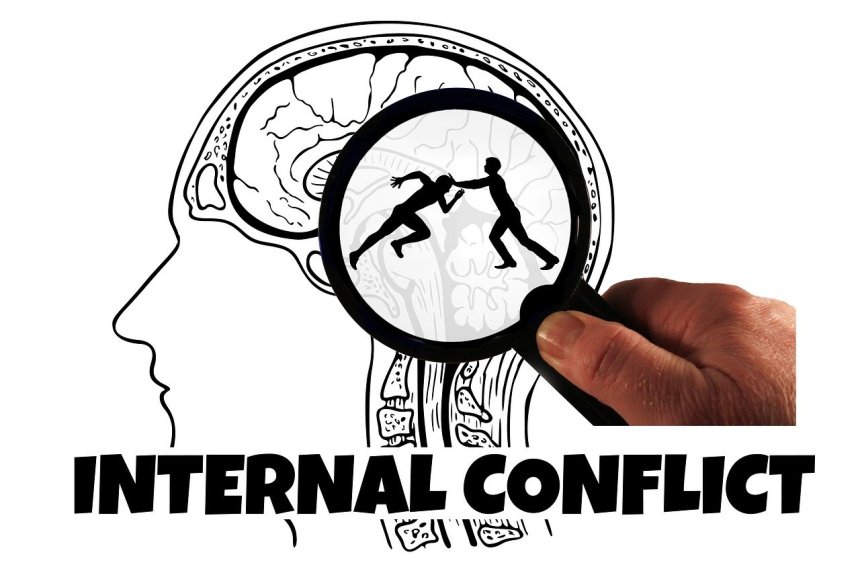
Before you tell someone you’re not interested, take time to understand what you’re truly feeling. Sometimes you may feel uncertain—perhaps there was initial attraction that faded, or maybe the connection never deepened. In other cases, it’s not about the other person’s flaws but about where you are emotionally.
Be honest with yourself. Are you not attracted to them? Do you sense a mismatch in values or communication styles? Are you still recovering from a past relationship? Knowing your real reason—even if you never fully share it—helps you express yourself more clearly and calmly.
When you know exactly what you feel, your words will come across as confident rather than conflicted. You won’t stumble or sound unsure. This clarity also prevents mixed signals. One of the biggest sources of pain in dating comes from ambiguity, when one person says they’re “not sure” or “need more time.” If you already know the answer, it’s kinder to be upfront.

Choosing the Right Setting and Timing
Telling someone you’re not interested deserves careful timing and setting. Avoid moments when emotions are high or distractions are present. If you’ve met or dated in person, it’s best to have the conversation face-to-face. Doing so shows maturity and respect for their feelings. Choose a neutral place—not a romantic restaurant or somewhere emotionally charged. A calm coffee shop, a walk in the park, or even a private conversation at home can work well.
For brief interactions, such as online chatting or casual texting, it’s acceptable to express your disinterest through a message. The key is tone. Even in text, respect can be conveyed through thoughtful wording and politeness.
Try not to break the news during tense moments or emotionally vulnerable times for them, like after a stressful day or a personal loss. While there’s never a “perfect” moment for rejection, a calm, considerate setting helps both of you process it with less emotional turmoil.
Communicating Clearly and Kindly
When it’s time to speak, be direct but gentle. Many people try to soften rejection by saying things like “Maybe later” or “I’m not ready for a relationship right now.” While these phrases might sound kind, they often create false hope. The goal is to communicate clearly without being harsh.
You might begin by expressing appreciation for their time and effort, then explain that you don’t feel the romantic connection you need. For example, you can say that you’ve enjoyed getting to know them, but you don’t see the relationship developing further. If someone has confessed their feelings unexpectedly, you can acknowledge the courage it took and let them know that while you respect them deeply, you don’t share the same feelings.
It’s not about justifying your decision or making excuses. It’s about being truthful in a way that values their humanity. Kindness doesn’t mean stretching the truth—it means telling it in a way that minimizes unnecessary hurt.

Emotional Awareness During the Conversation
Even with perfect wording, rejection can trigger emotional reactions. Some people will feel hurt, embarrassed, or defensive. It’s important to stay grounded during these moments. Maintain a calm tone, keep your body language open, and avoid getting drawn into debates or over-explanations. You don’t need to convince them why you’re not interested—attraction and compatibility are personal and not up for argument.
If the person becomes emotional, let them express their feelings without interruption. You can acknowledge their disappointment without changing your stance. Empathy doesn’t require compromise. Listening respectfully is often enough to ease the intensity of the moment.
Being compassionate also means recognizing that rejection affects self-esteem. A kind word like “You’re a great person; I just don’t feel a connection” can soften the impact while still being honest.
Handling Different Situations
Not every rejection looks the same. If you've only met someone once or twice, the message should be concise and direct. It’s enough to express that you don’t feel the instant connection you’re looking for and wish them the best.
If it’s a friend who has developed romantic feelings, the situation can be more delicate. Express your gratitude for their honesty and reassure them that you value the friendship, but you don’t share romantic feelings. Give them space afterward—even a strong friendship may need time to adjust.
When it’s someone you’ve been seeing for a few weeks or months, a more personal conversation is required. Be sincere about enjoying the time together, but admit that you don’t see it turning into a long-term relationship. Ending things earlier, rather than pretending, saves both of you from deeper pain later.
If your connection was online, a short and respectful message works well. It’s not necessary to over-explain. Simply let them know you don’t feel a spark and thank them for their time.
The important thing in all these situations is consistency—say what you mean, mean what you say, and don’t follow up with mixed signals later.

Setting Healthy Boundaries
After you’ve expressed your feelings, maintaining clear boundaries becomes essential. Sometimes the other person might try to persuade you to change your mind or continue contacting you in hopes that you’ll reconsider. In those cases, staying consistent and polite is crucial.
You can acknowledge their message but firmly restate that your decision hasn’t changed. Emotional boundaries protect both of you. Continuing communication after rejecting someone can blur lines and cause confusion. Giving space allows healing to happen naturally.
Boundaries also mean protecting yourself from guilt. Feeling bad is normal, but you are not responsible for someone else’s emotions. You did the right thing by being honest—and honesty, when paired with compassion, is never cruel.
The Hidden Strength in Saying No
Rejecting someone might feel like an unpleasant task, but it’s actually a sign of inner strength. It shows that you value authenticity over pretense. Every time you choose to speak truthfully rather than lead someone on, you demonstrate confidence and empathy—two traits that define emotionally mature people.
Rejection, when delivered with kindness, also creates space for growth. It encourages both you and the other person to reflect on what kind of connection you truly want. It prevents resentment and false expectations. You learn to trust your instincts, and the other person learns to move on with dignity.
This experience also helps you grow emotionally. Handling uncomfortable conversations with grace enhances your communication skills, which will benefit every future relationship—romantic or otherwise.
Life After Saying No
After you’ve told someone you’re not interested, you might feel a mix of relief and guilt. That’s normal. It’s natural to care about how others feel, but remember that honesty is an act of respect. Over time, the discomfort fades, leaving behind peace of mind and self-respect.
If you run into the person later, be polite but maintain the boundaries you’ve set. You don’t need to act distant, but don’t reopen emotional doors that you’ve already closed. Mutual respect can exist even after rejection when both people handle it maturely.
Try not to second-guess yourself. Attraction and compatibility can’t be forced, and pretending otherwise only prolongs the inevitable. It’s far kinder to end things clearly now than to keep someone emotionally invested in something that isn’t real.
Rejection as a Form of Respect
At its core, telling someone you’re not interested isn’t about rejection—it’s about respect. It’s choosing clarity over confusion, truth over avoidance, and empathy over selfishness. Saying “no” can be an act of care because it prevents further emotional harm.
When you treat someone’s feelings with honesty, you remind them that they deserve someone who reciprocates their affection fully. You free them to find that connection elsewhere. That’s not cruelty; it’s kindness in its most mature form.
The same principle applies to yourself. By being honest, you honor your own feelings and avoid carrying the emotional weight of pretending. You choose emotional authenticity over social comfort. And that decision, while hard, aligns you with healthier, more genuine relationships in the future.

Conclusion
Learning how to tell someone you’re not interested is one of the most important emotional skills you can develop. It’s not just about handling rejection gracefully—it’s about communicating with honesty and empathy in every part of life. The words may be uncomfortable, but the outcome is always cleaner and kinder than deception or avoidance.
In the end, honesty is not cruelty; it’s clarity. You don’t have to be harsh to be truthful. You just have to be respectful, compassionate, and sure of your decision. Every honest "no" you express paves the way for the right "yes"—a connection that is genuine, mutual, and founded on real emotional understanding.
So, when you find yourself needing to tell someone you’re not interested, take a deep breath, center yourself, and speak from a place of empathy. You’ll find that being kind and truthful at the same time isn’t just possible—it’s the most loving thing you can do.
Share
What's Your Reaction?
 Like
0
Like
0
 Dislike
0
Dislike
0
 Love
0
Love
0
 Funny
0
Funny
0
 Angry
0
Angry
0
 Sad
0
Sad
0
 Wow
0
Wow
0